
Monmouth County · New Jersey
Problems Freehold Township Owners Bring to a Business Lawyer, and the First Move for Each
Shopping-center tenants, franchisees and service companies along Route 9 and Route 33 tend to hit the same handful of legal snags. Here is how each one usually starts and what to do before it gets expensive.
Why a problem-first page
Most calls start with a document that just arrived
A reconciliation statement from the landlord, a renewal package from the franchisor, a resignation letter from the manager who knows every customer. The first few days after that document lands usually decide how much the problem will cost.
Freehold Township is a township in western Monmouth County that wraps around Freehold Borough, the county seat. Its commercial life sits largely in plazas, pad sites and office buildings along the highway corridors, which shapes the disputes owners here run into: lease charges, brand obligations and competition for the same local customers.
The firm's office is in Freehold, a short drive for most township clients, and meetings there are by appointment; phone and video work just as well. Paul handles every matter himself.
Situations
Six things that bring township owners in
Each one has a sensible first step that costs little and preserves your options.
A year-end CAM bill far above the estimate
Plaza leases often let the landlord pass through common-area costs and reconcile them annually. First, find the lease clauses on audit rights and dispute deadlines; many require you to object in writing within a set window. Pay under protest if the lease requires, and ask for the backup invoices.
Lease review and negotiationA franchise renewal with tougher terms
Renewal often means signing the franchisor's current form, which can add remodel obligations or higher fees. Compare the new agreement against the old one line by line before the renewal deadline, and note that the NJ Franchise Practices Act can limit non-renewal where it applies.
Franchise agreement reviewA departing manager calling your customers
Pull the manager's signed agreements first. Whether a restrictive covenant is enforceable in New Jersey depends on reasonableness, so the wording and the facts both matter. Preserve emails and texts showing solicitation before anything is deleted.
A co-owner who wants out
Read the buy-sell provisions in your operating or shareholder agreement before discussing a number. If there are none, agree in writing on how the price will be set before either side commissions a valuation.
Buying the competitor down the road
An asset purchase of a New Jersey business outside the ordinary course generally requires the buyer to notify the Division of Taxation at least ten business days before closing, or risk owing the seller's state taxes. Build that into the timeline from day one.
Acquisition help in FreeholdA customer contract that auto-renewed
Service contracts with automatic renewal and notice windows catch both sides. Check the notice clause and calendar it, then decide whether to renegotiate or exit at the next opportunity.
When a demand letter arrives
What to do in the first week
Whether it comes from a landlord, a franchisor or a former partner, the response pattern is similar.
Do not reply on the spot
A quick email admitting a point or making an offer can be quoted back later. Acknowledge receipt only if a response is due immediately.
Find the governing document
The lease, franchise agreement or operating agreement usually sets notice methods, cure periods and dispute procedures, including any mediation or arbitration clause.
Write down the deadlines
Cure periods and objection windows can be short. Put every date on a calendar and work backward from the earliest one.
Gather the paper trail
Invoices, payment records, correspondence and any side agreements. Courts and arbitrators look at what was written, not what was intended.
Get a read before you negotiate
A short review by counsel tells you where you are strong, where you are exposed, and what a realistic outcome looks like.
Fees and scope
Knowing the cost before the work starts
Owners often delay calling because they cannot predict the bill. The firm sets out the scope and fee in writing before any work begins. Contract reviews and defined projects are usually quoted as flat fees; matters that unfold over months, such as a negotiated buyout, may suit a monthly arrangement, and hourly billing is reserved for work that genuinely calls for it.
If several of the situations above apply at once, a broader legal risk review can be more efficient than handling each in isolation. For an overview of how the firm serves owners across the county, see the Monmouth County business law hub.
Freehold Township questions
What township owners ask first
My plaza landlord's reconciliation is much higher than last year. Can I challenge it?
Often, yes, but only within what your lease allows. Many shopping-center leases give tenants a limited window to dispute the annual statement and a right to inspect the landlord's records. Some cap increases in controllable expenses. Read the operating-expense and audit sections, request the supporting invoices in writing, and object before the deadline even if you are still gathering information.
My franchisor says I must sign its current agreement to renew. Is that normal?
It is common for franchise agreements to condition renewal on signing the then-current form, which may differ materially from your original deal. Whether you have protection beyond the contract depends on whether your franchise falls under the New Jersey Franchise Practices Act, which generally requires good cause and advance written notice for non-renewal. Review both documents well before the renewal window closes.
A former manager is soliciting my customers. What can I do right now?
Collect the manager's signed employment, confidentiality or non-solicitation agreements and preserve evidence of the contact, such as customer emails or texts. New Jersey courts enforce restrictive covenants only to the extent they are reasonable, and they may narrow an overbroad clause. A prompt, measured cease-and-desist letter is often the first step, but its wording should match what the agreement actually says.
Nearby
Also serving businesses near Freehold Township
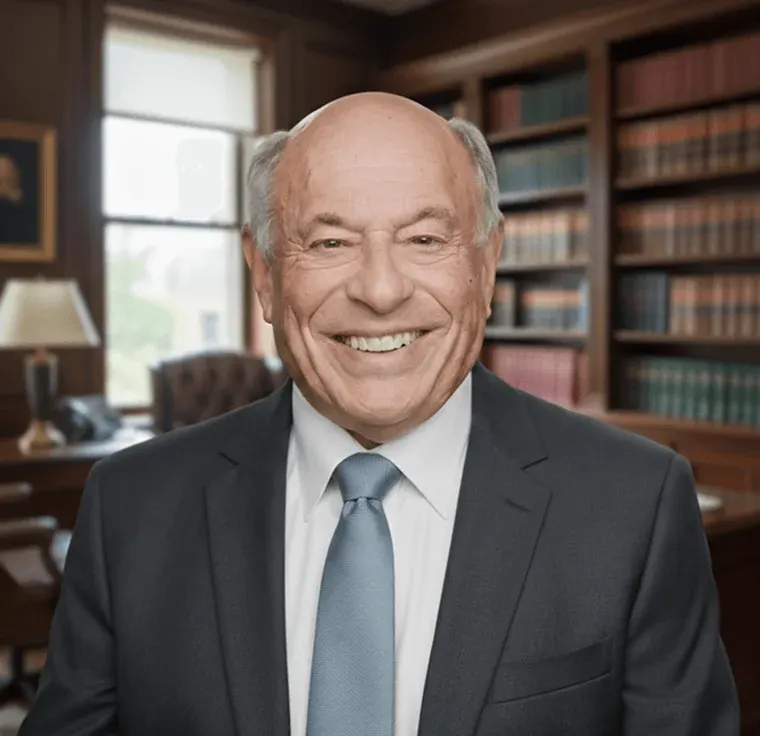
Your attorney
Paul H. Appel, Esq.
Every matter at the firm is handled personally by Paul — the same attorney reads the documents, gives the advice and negotiates on your behalf.
- Education
- Columbia Law School, Juris Doctor (1967)
- Experience
- 58+ years in commercial and business law
- Focus for this matter
- Commercial and business law for owner-run companies
- Office
- Freehold, NJ — serving Monmouth, Middlesex & Ocean Counties
Contact
Discuss Your Business Matter With Paul
Describe what the business is dealing with — a contract on your desk, a deal in progress, a dispute or a company you are about to form. You will hear back from the attorney who handles the work.
- Phone917-748-6124
- Office11 Crestwood Drive, Freehold, NJ 07728
- ConsultationsBy phone, video or in person by appointment
Start a conversation