
Middlesex County · New Jersey
Monroe Township Owners Buying In, Handing Off or Starting From Home
In Monroe Township the legal questions often arrive at a turning point: a family buying its first franchise, a founder ready to step back, or a home-based venture that has quietly become a real company. Here is how to approach each one.
Turning points
Why Monroe Township matters tend to be about transitions
Monroe is a sizeable Middlesex County township in the southern part of the county, with Route 33 crossing it and the Turnpike close by.
Its business owners include franchisees and would-be franchisees, family companies that have been run by the same founder for decades, and professionals and consultants operating from home. The problems they bring to a lawyer are less about disputes and more about getting a transition right the first time.
Paul H. Appel advises Monroe Township clients from the firm's single office in Freehold. Meetings run by phone or video, and families who want to sit around a table together can meet in Freehold by appointment.
Buying a franchise unit
From the disclosure document to opening day
A franchise purchase is mostly decided before you sign. The federal FTC Franchise Rule requires the franchisor to give you a Franchise Disclosure Document at least 14 days before you sign or pay.
Read the FDD as a risk map
Its 23 items cover litigation history, fees, territory, financial performance claims if any are made, and the franchisor's own financial statements. Item 20 lists former franchisees you can call.
Test the territory and renewal terms
Check whether your territory is protected, what the franchisor can do nearby, and what conditions apply to renewal or transfer.
Line up the site and the lease
Many franchisors must approve the location and require specific lease riders. Align the lease term with the franchise term so one does not outlast the other.
Form the operating entity first
Sign through a properly formed company where the franchisor allows, while recognizing that a personal guarantee will usually still be required. The firm's franchise purchase guidance goes further.
Other transitions
Three more Monroe Township situations and the first move for each
The founder wants to retire
Start with a written plan: who takes over management, who takes over ownership, and over what timeline. Those are often different people. A buy-sell agreement and updated governing documents turn the plan into something enforceable.
Succession planningSelling to a trusted employee
Key-employee buyers rarely have the full price in cash, so the deal often uses seller financing. The note, security interest and default remedies protect the seller after closing and need careful drafting.
Seller financing termsThe home business has grown up
Once a home venture has clients, contracts or helpers, operating in your own name exposes personal assets. Forming an LLC and keeping finances genuinely separate can help limit that exposure.
LLC formation
Family dynamics
Keeping a family handover from becoming a family dispute
The hardest part of a Monroe Township succession is rarely the paperwork. It is deciding what is fair between a child who works in the business and siblings who do not, and making sure the retiring owner still has income. Those decisions belong to the family, but they need to be written down clearly or they will be relitigated later.
Typical tools include non-voting interests for passive heirs, a buyout schedule funded from company earnings, and employment or consulting terms for the outgoing founder. Your accountant should model the tax effect before anything is signed.
The Monroe Township services overview describes the planning work in general, and the Middlesex County business law page shows how the firm serves the wider county.
Monroe Township questions
Questions Monroe Township owners raise
Can I negotiate a franchise agreement, or is it take it or leave it?
Franchisors tend to resist changing core terms because they want uniform systems, but many will consider addenda on items like opening deadlines, development schedules, transfer conditions or a specific site. Asking costs little, and knowing which terms are fixed helps you decide whether to proceed at all.
Does New Jersey law protect me if the franchisor tries to end my franchise?
The New Jersey Franchise Practices Act generally requires good cause and 60 days' written notice to terminate, cancel or refuse to renew, but it applies only to franchises meeting the Act's place-of-business and sales thresholds. Whether your unit qualifies is a fact question worth answering before trouble starts.
My son runs the business day to day. Do we still need formal documents?
Yes. Without updated governing documents and a written transfer plan, ownership may pass under your estate plan in a way that does not match who actually runs the company. That mismatch is a common source of conflict among siblings and can also unsettle lenders and key customers.
How is a home business different once it becomes an LLC?
The company signs contracts, holds the bank account and owns the equipment, so business debts generally stay with the company if formalities are respected. You will also need to file an annual report with the state each year, keep personal and business funds apart and update contracts and invoices to the LLC's name.
Nearby
Also serving businesses near Monroe Township
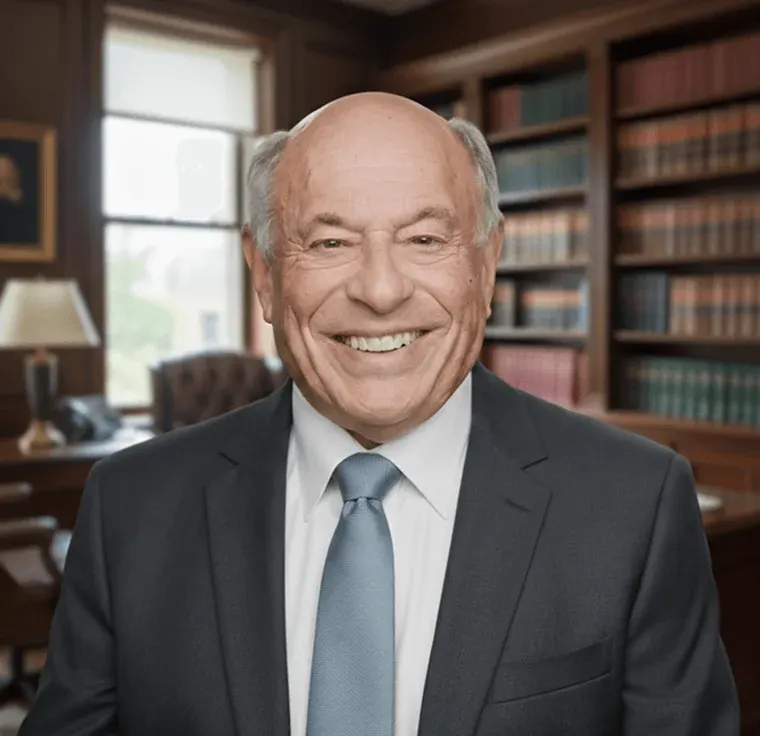
Your attorney
Paul H. Appel, Esq.
Every matter at the firm is handled personally by Paul — the same attorney reads the documents, gives the advice and negotiates on your behalf.
- Education
- Columbia Law School, Juris Doctor (1967)
- Experience
- 58+ years in commercial and business law
- Focus for this matter
- Commercial and business law for owner-run companies
- Office
- Freehold, NJ — serving Monmouth, Middlesex & Ocean Counties
Contact
Discuss Your Business Matter With Paul
Describe what the business is dealing with — a contract on your desk, a deal in progress, a dispute or a company you are about to form. You will hear back from the attorney who handles the work.
- Phone917-748-6124
- Office11 Crestwood Drive, Freehold, NJ 07728
- ConsultationsBy phone, video or in person by appointment
Start a conversation